Hands – Up & Over It (Dance version)
| January 22, 2012
Haroshi turns old skateboards into beautiful popjects. His skill is epic, and yet, he’s had no formal art training. His education comes from skating.
If there are tricks that are hard to pull off, eventually you can land them after practicing a lot and not giving up. I learned a lot from skateboarding, but most importantly, it was the whole mentality of “Do It Yourself”… and of course I definitely don’t forget the humor and fun behind it all.


You can expect the iPad 3 leaks to come in a steady stream from now until March. Within the last couple of weeks, we’ve heard that it will have an upgraded camera, be slightly thicker, and, of course, tote a Retina display. Now yet another source is adding its voice to the choir, with a report that supposedly confirms many of the details we’ve heard already (and adding a couple of its own).
The report says that Foxconn and company are increasing volume of the iPad 3 this month, and will hit full volumes in February, with a release scheduled for March. It will supposedly be packing a quad-core chip (Apple’s A6 SoC), a Retina display (probably 2048×1536 resolution), and will offer 4G LTE wireless compatibility.

In 1900, an American civil engineer called John Elfreth Watkins made a number of predictions about what the world would be like in 2000. How did he do?
In December of that year, at the start of the 20th Century, John Elfreth Watkins wrote a piece published on page eight of an American women’s magazine, Ladies’ Home Journal, entitled What May Happen in the Next Hundred Years.
1. Digital colour photography
2. The rising height of Americans
3. Mobile phones
4. Pre-prepared meals

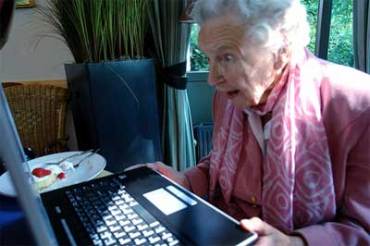
Think grandma and grandpa are the most likely to fall for Internet scams? Think again, suggests a study on gullibility released earlier this month.
Younger, less educated, underpaid Americans are the group most likely to fall for schemes of digital criminals peddling fake charities, rogue antivirus software or myriad other cons, the survey indicates. Middle-class earners are less likely to be victims, but folks earning more than $200,000 annually seem to be almost as gullible those living below the poverty line, it found.
Brits and Australians are more skeptical than their American counterparts, says the study, released by security firm PC Tools and survey firm The Ponemon Institute. Only those three nations were studied.